
Detailing Basics: More Than Just a Car Wash
Auto Detailing Basics: Why Your Car Deserves Better
For many drivers, “cleaning the car” means a quick run through an automatic car wash or a five-minute spray at a self-service station. While this removes surface dust, it barely scratches the surface of what true vehicle care is about—and often, it does more harm than good. Enter the world of Auto Detailing.
Auto detailing is not just cleaning; it is a systematic process of restoration and protection. It serves as a spa day for your vehicle, but with scientific precision. In this comprehensive guide, we will explore what detailing really is, why it matters, and how it differs from the £5 car wash down the street.
What Exactly is Auto Detailing?
Auto detailing is the performance of thorough cleaning, restoration, and finishing of an automobile, both inside and out, to produce a show-quality level of detail. It involves cleaning and reconditioning the interior and exterior of the car. The step-by-step process includes removing visible and invisible contaminants from the vehicle’s interior and polishing the exterior to its original blemish-free finish.
The Key Differences
-
Precision and Detail: As the name suggests, detailing focuses on the details. A standard car wash cleans the obvious areas—the hood, doors, and windows. A detailer cleans the air vents with a brush, removes grime from the seat rails, polishes the exhaust tips, and ensures the door jambs are spotless. Every square inch is inspected and treated.
-
The Tools of the Trade: We don’t use old rags and dish soap. Detailing involves a specialized arsenal:
- PH-Neutral Shampoos: To clean without stripping wax.
- Clay Bars: To pull embedded contaminants out of the clear coat.
- Dual Action Polishers: To mechanically remove scratches without damaging the paint.
- Ceramic Coatings: For long-term protection that wax can’t match.
-
Preservation vs. Cleaning: A car wash removes dirt. Detailing removes dirt and corrects damage (like swirl marks) and adds a layer of protection to prevent future damage. It is about preserving the asset.
The Exterior Process: More Than Meets the Eye
Exterior detailing involves cleaning and restoring or exceeding the original condition of the surface of the car’s finish (usually a paint with a glossy finish), chrome trim, windows, wheels, and tires, as well as other visible components on a vehicle’s exterior.
1. The Prep Wash
It starts with a safe wash. We use the “Two Bucket Method” to avoid scratching the paint. One bucket has soapy water, the other clean rinse water. Grit guards at the bottom of the buckets trap dirt so it doesn’t get back onto the wash mitt.
2. Decontamination
Even a freshly washed car feels rough to the touch. That is because of bonded contaminants: industrial fallout, brake dust, tree sap, and tar.
- Chemical Decontamination: Iron removers turn purple as they dissolve brake dust. Tar removers melt away sticky road tar.
- Mechanical Decontamination: A clay bar is rubbed over the paint to physically pull out remaining particles, leaving the glass smooth.
3. Paint Correction
This is where the magic happens. Over time, paint gets “swirl marks”—millions of tiny scratches that scatter light and make the car look dull. Paint correction involves using abrasive compounds and polishing machines to level the clear coat, physically removing these scratches. This restores depth, clarity, and that “wet look” shine.
4. Protection
Once the paint is perfect, it needs to be locked in.
- Waxes: Natural Carnauba wax gives a warm glow but lasts only weeks.
- Sealants: Synthetic polymers offer months of protection.
- Ceramic Coatings: Silica-based liquid polymers that harden into a glass-like shell, offering years of protection against UV rays, chemicals, and minor scratches.
The Interior: A Healthier Space
We spend hours inside our cars. A dirty interior isn’t just unsightly; it’s unhygienic. Steering wheels can carry more bacteria than a public toilet seat! Detailing involves:
- Deep Extraction: Shampooing carpets and seats to remove stains and odors.
- Steam Cleaning: Using high-temperature steam to sanitize surfaces and kill bacteria in vents.
- Leather Care: Cleaning and conditioning leather to prevent it from cracking and fading under the sun.
Why Invest in Detailing?
You might ask, “Is it worth the money?” The answer is a resounding yes, for several reasons:
- Resale Value: A car with flawless paint and a pristine interior sells faster and for a significantly higher price. It signals to the buyer that the car was loved and maintained.
- Protection: Your car faces an onslaught of UV radiation, acid rain, salt, and bird droppings. Detailing provides a sacrificial barrier against these elements.
- Pride of Ownership: There is a unique psychological satisfaction in driving a car that looks brand new. It feels better, smells better, and makes the daily commute more enjoyable.
Auto detailing is not an expense; it is an investment in the longevity and beauty of your vehicle. Whether you are driving a daily commuter or a weekend sports car, detailing ensures it looks its best for years to come. Stay tuned to our blog as we dive deeper into each of these topics!
Professional Detailing Gear
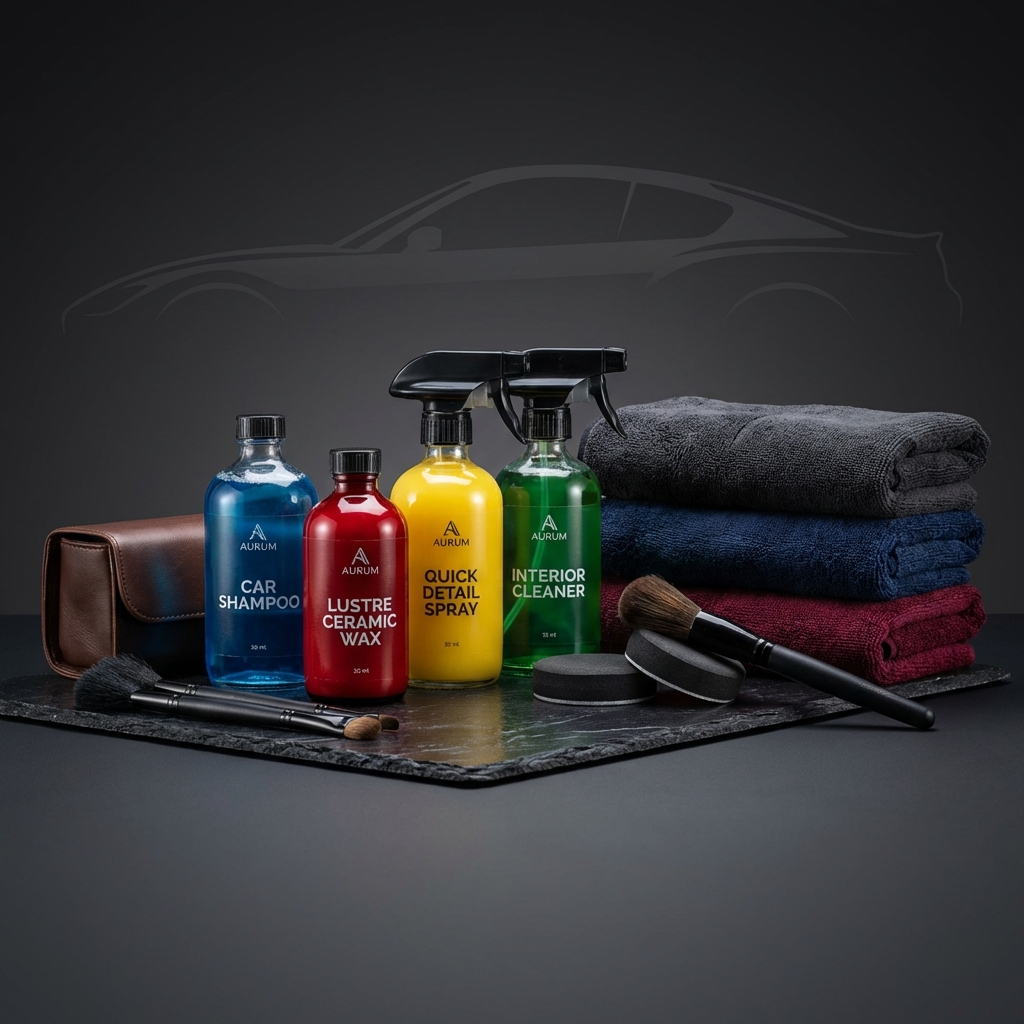
Complete Detailing Kit
Everything you need to start: Shampoo, Wax, Sprays & Towels.
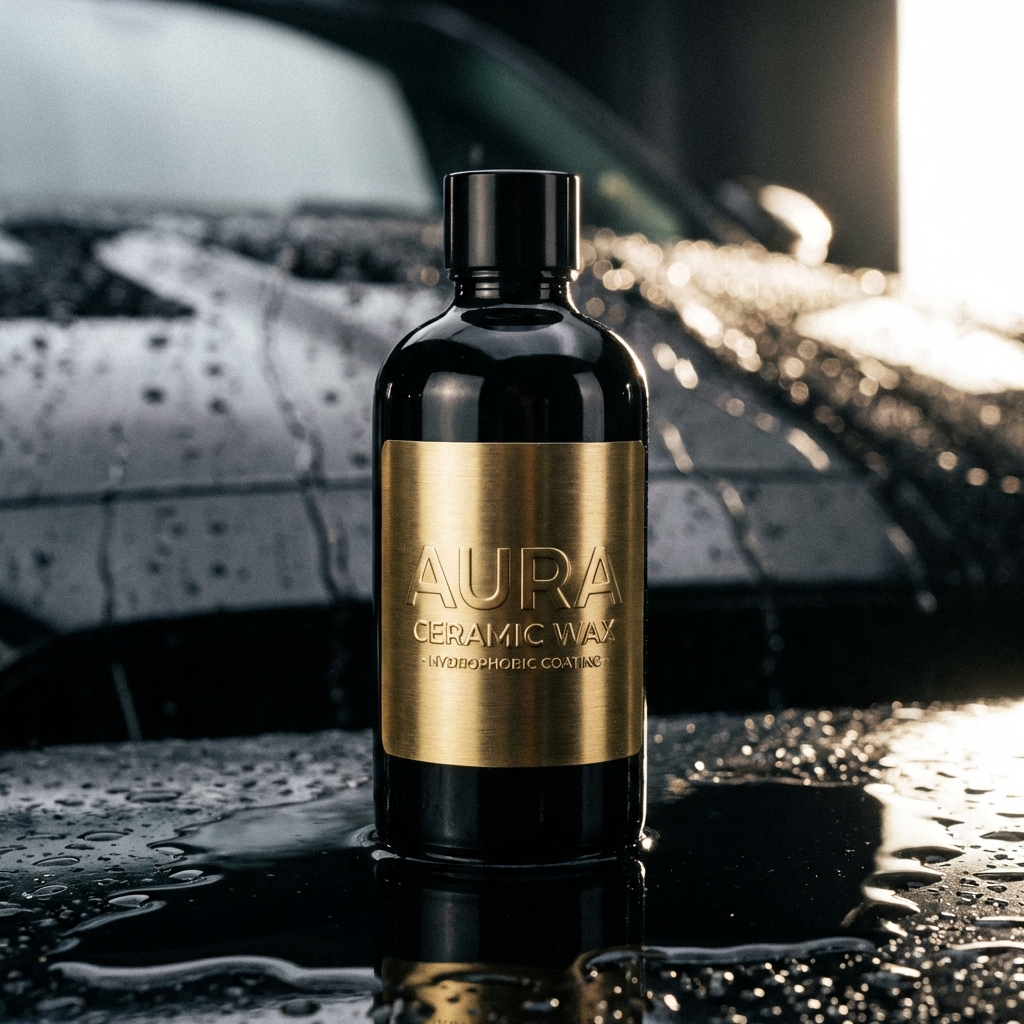
Ultimate Liquid Wax
Long-lasting hydrophobic protection with a mirror-like deep shine.
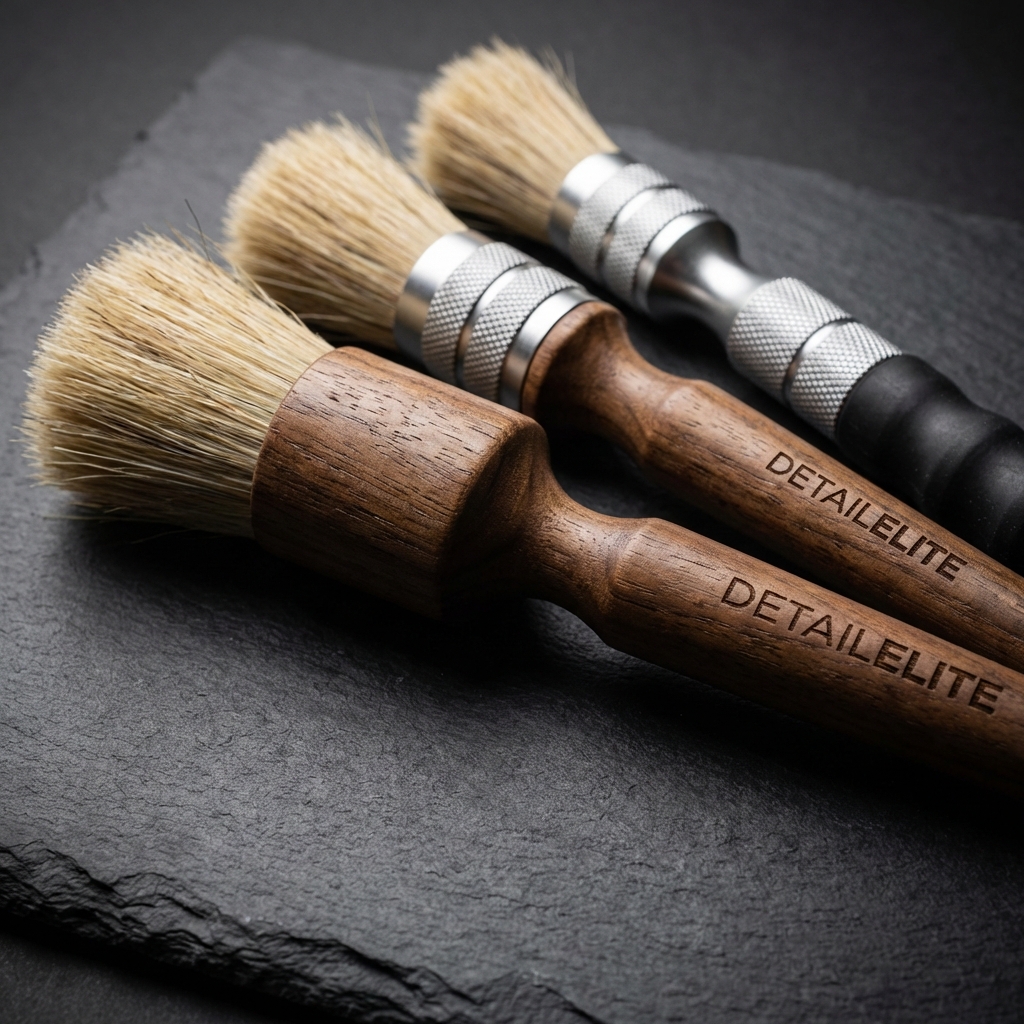
Premium Brush Set
Ultra-soft bristles for safe cleaning of vents, emblems, and details.